The new Lecco Campus of the Politecnico di Milano represents a strategic project for the redevelopment and expansion of the city’s university system. Built through a public tender on a site of over 16,000 sqm adjacent to the urban center, the project involved both the new construction of academic buildings and the rehabilitation of the former hospital, now converted into university facilities.
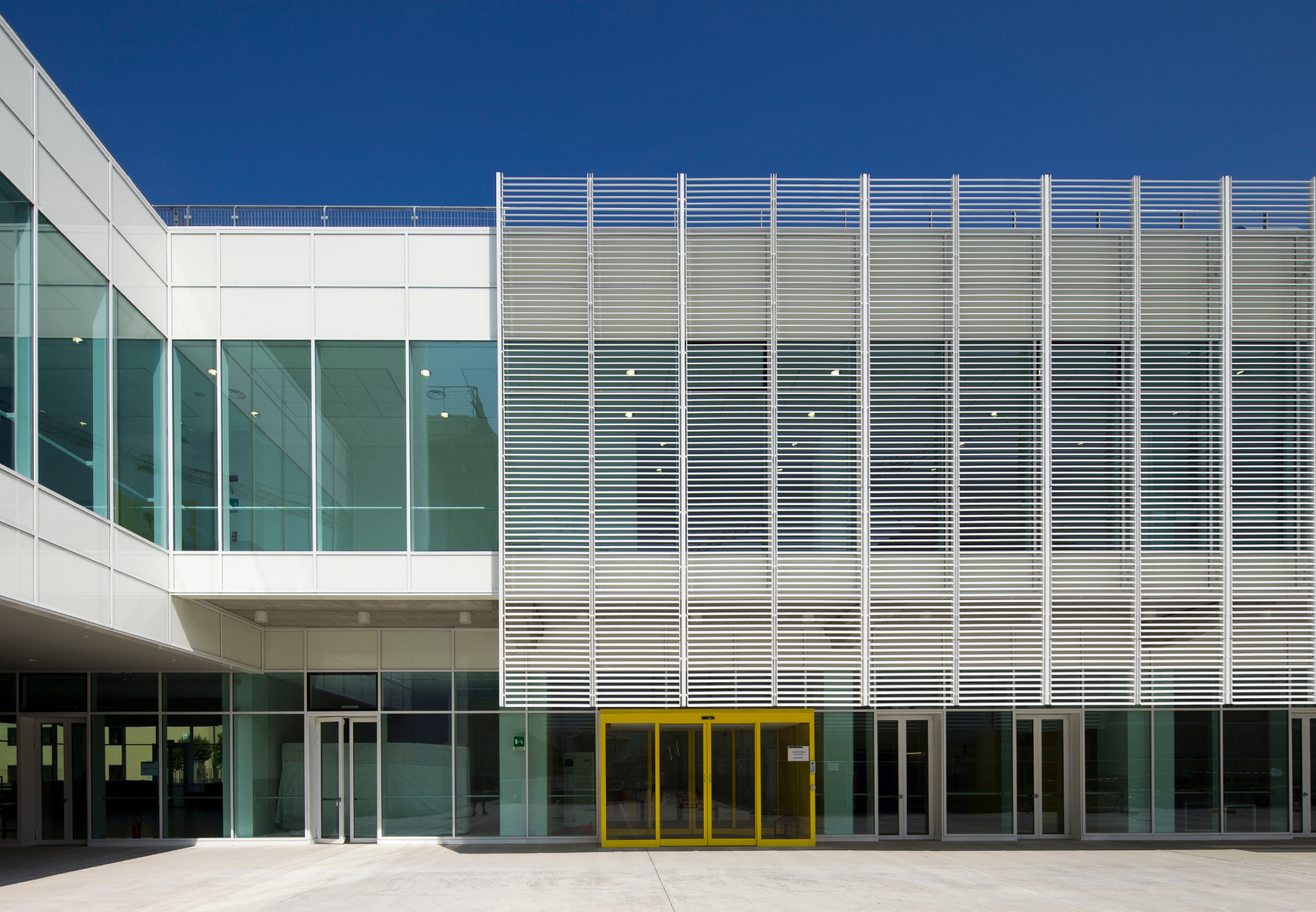
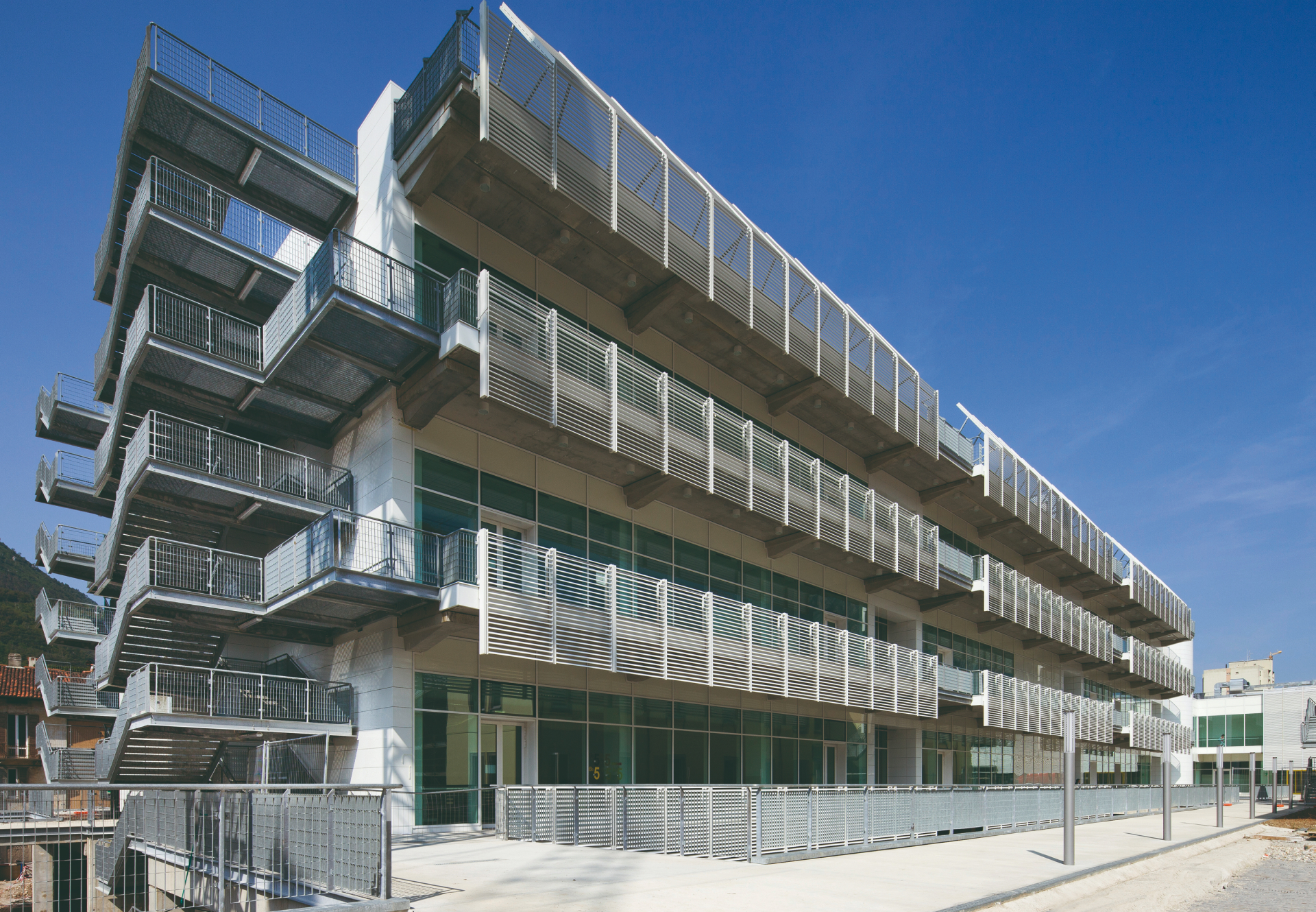
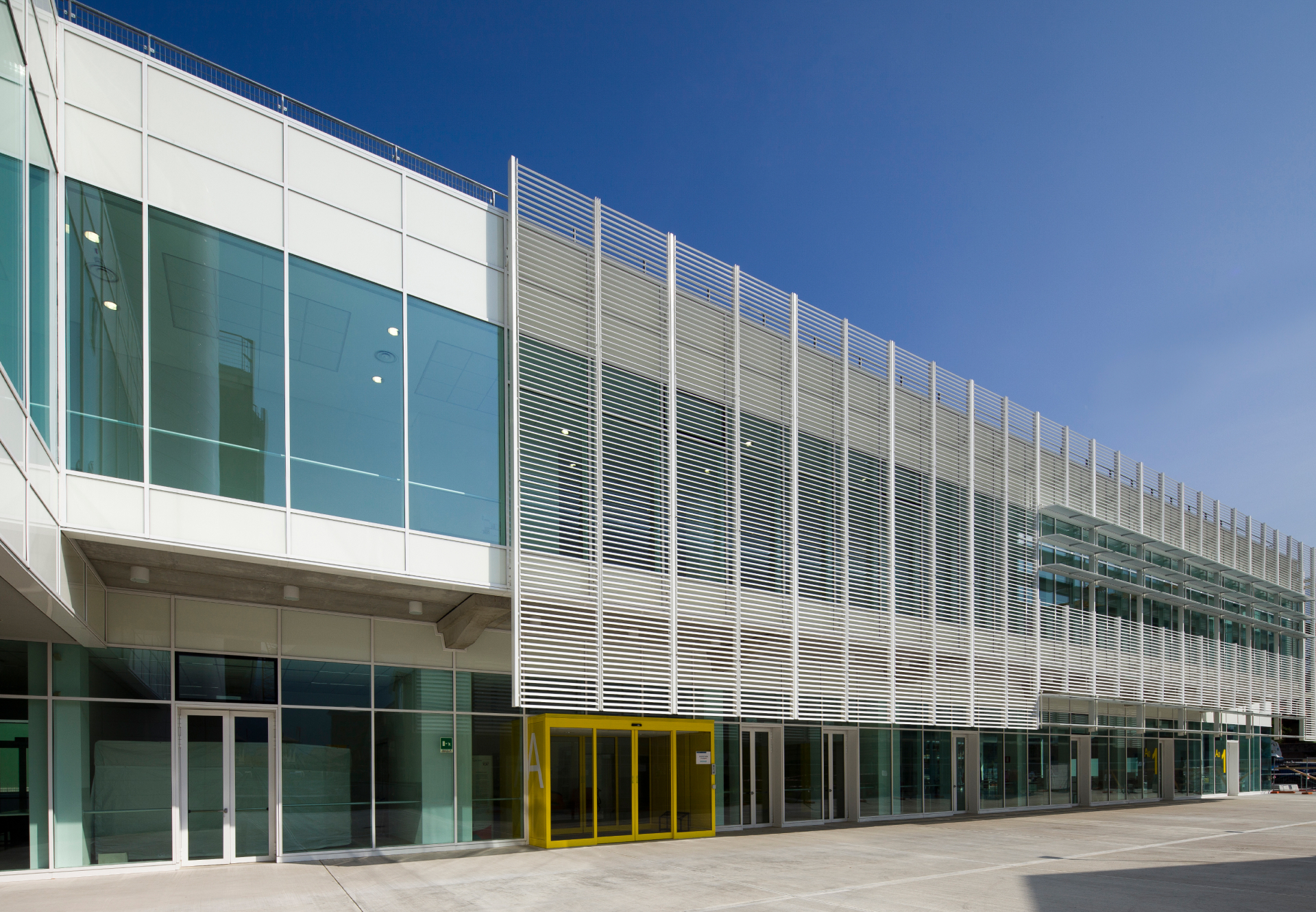
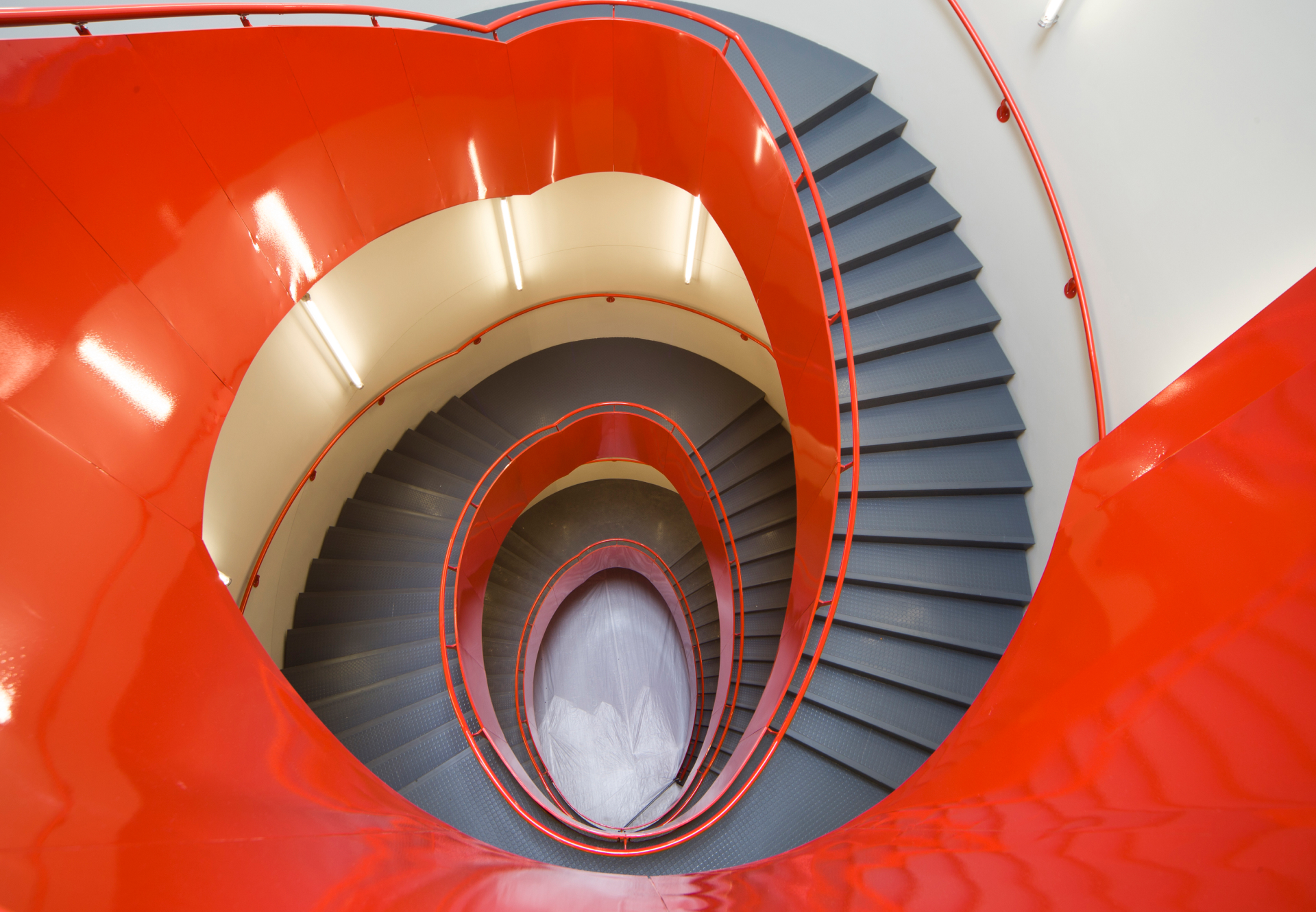
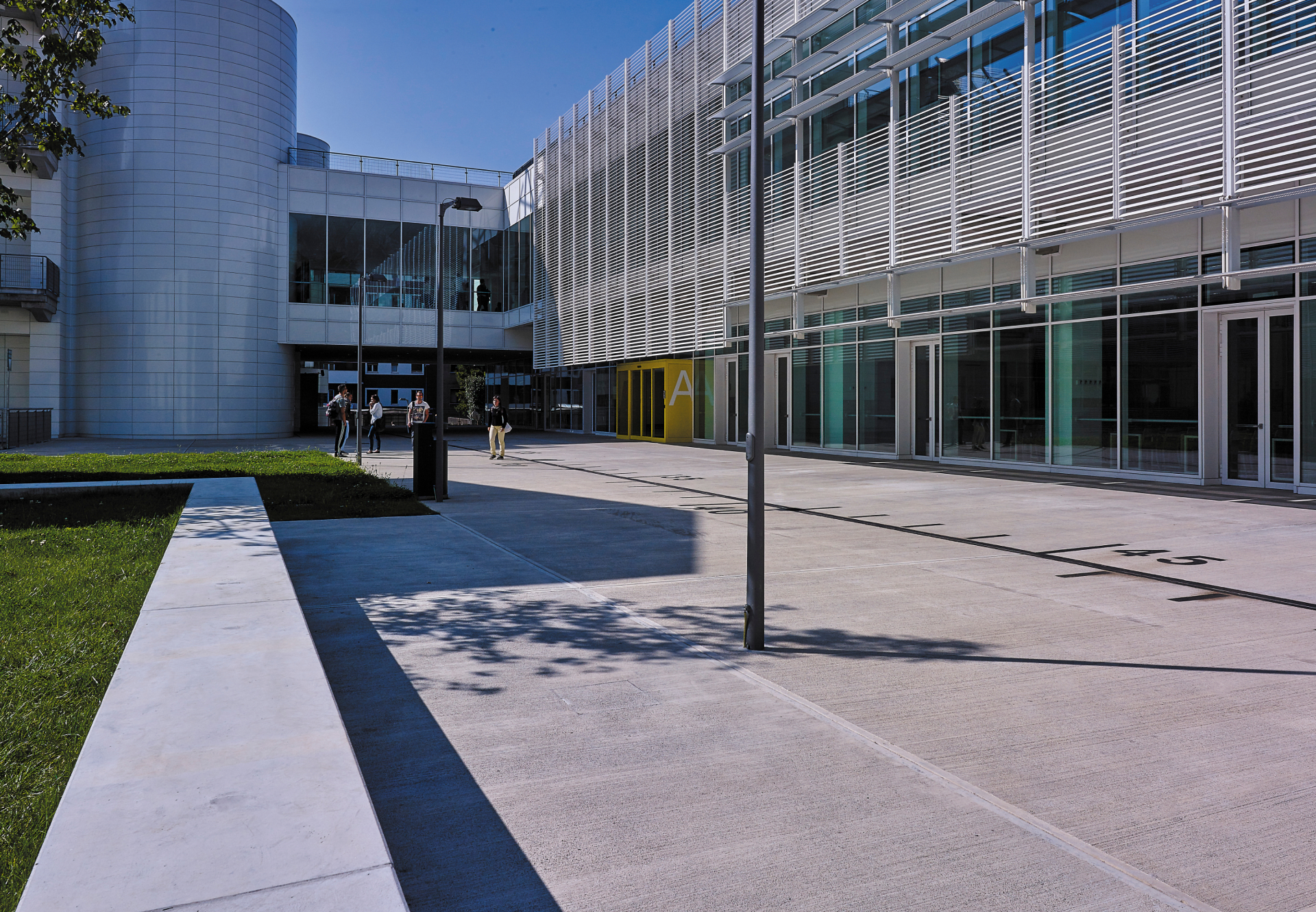
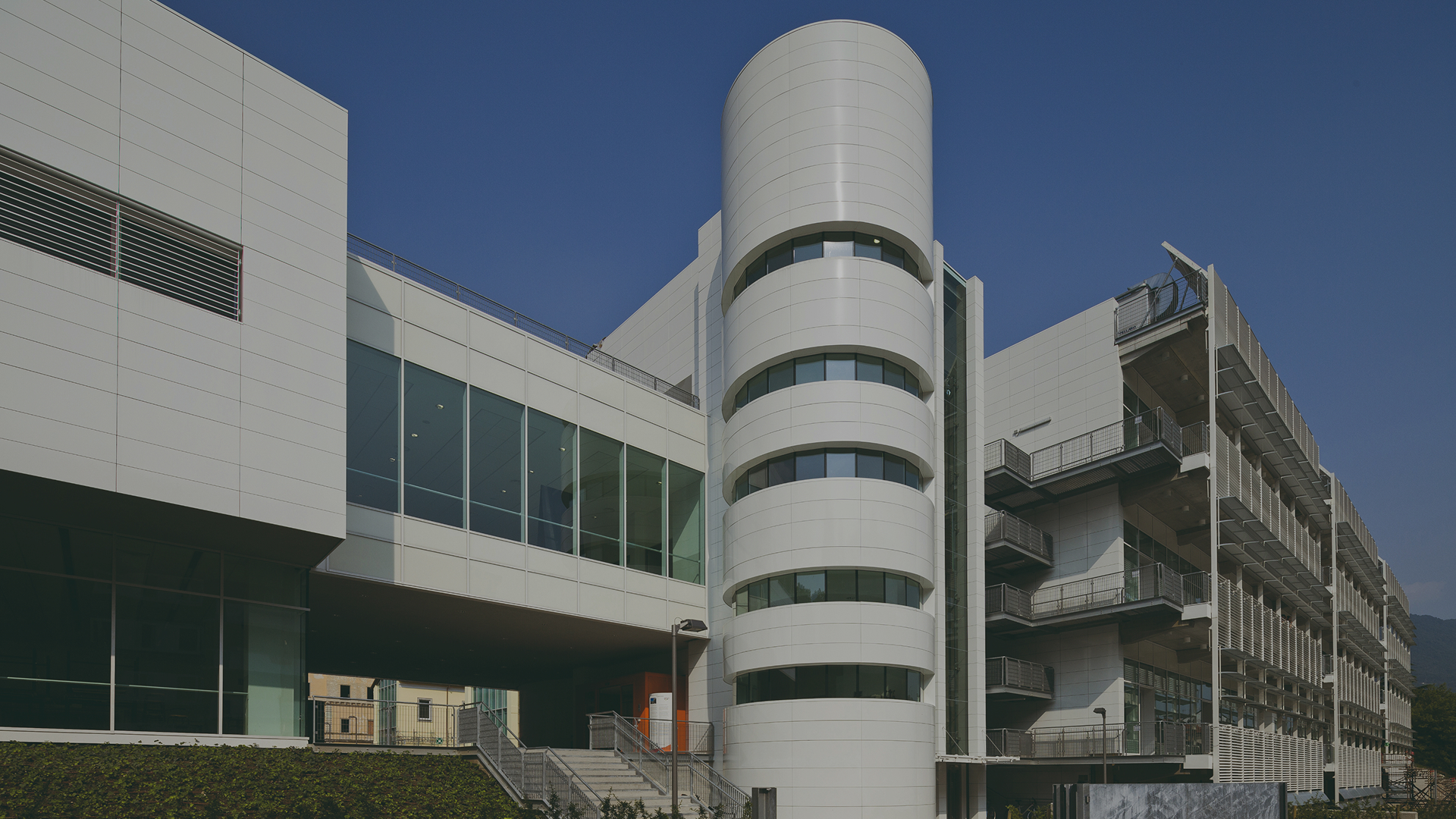
The intervention is based on the principles of permeability, urban integration, and sustainability. The architectural composition consists of two new buildings housing teaching spaces, laboratories, and student services, organized on three above-ground floors and one semi-underground level, with lightweight, highly transparent south-facing façades. The connection with the historic building, restored and repurposed to accommodate administrative offices and support services, is provided by a “comb-shaped” circulation volume, distinguished by large glazed openings on the north-western ends.
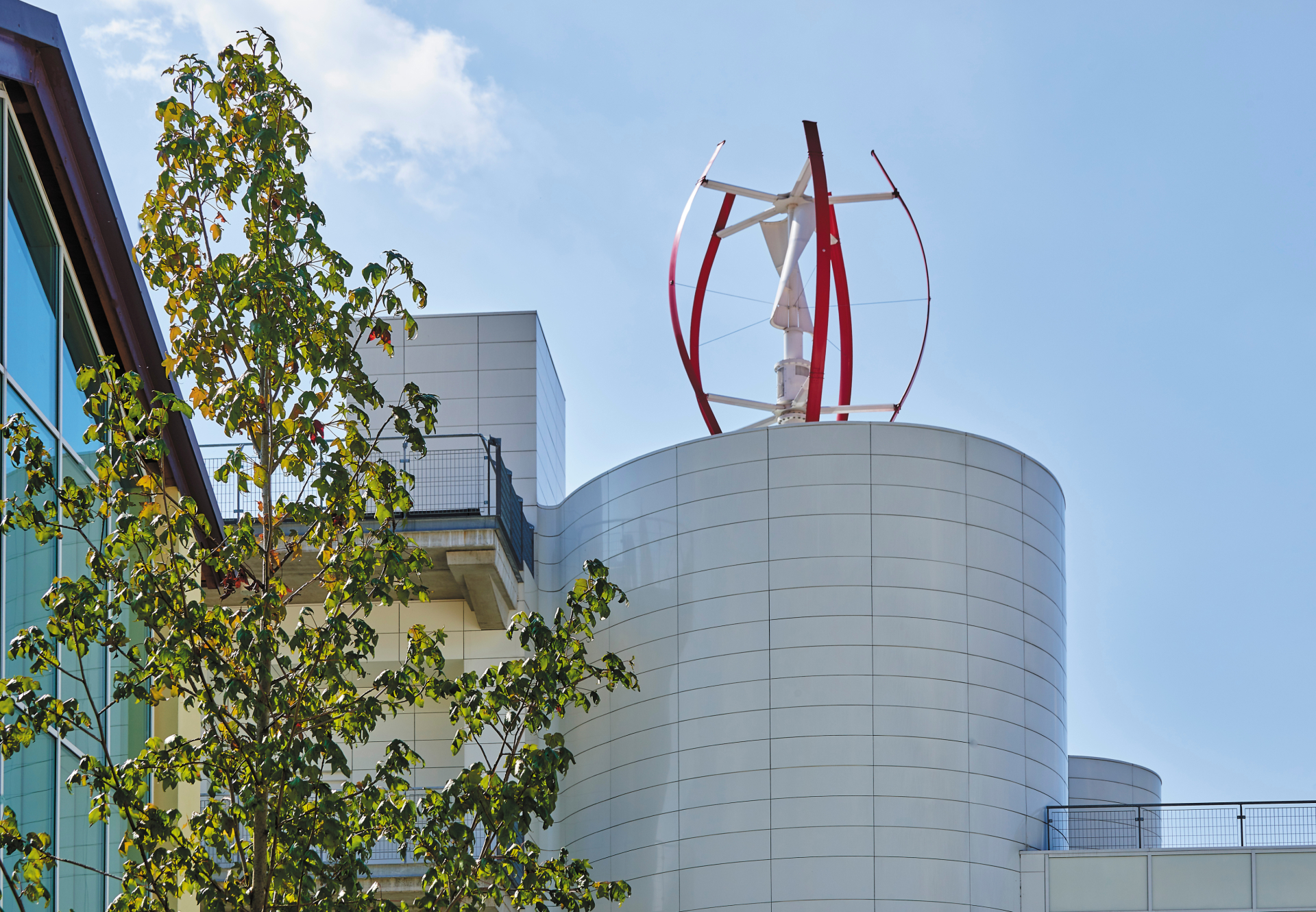
The new library stands out for its extensive use of transparency, reflecting the open and inclusive identity of the campus. The envelope design — combining transparent and opaque façades, solar screens, photovoltaic brise-soleil, and adjustable protective wings — ensures effective solar radiation control, achieving high energy performance and Energy Class B certification. The roof features an experimental low-impact wind turbine.
CNR Research Center
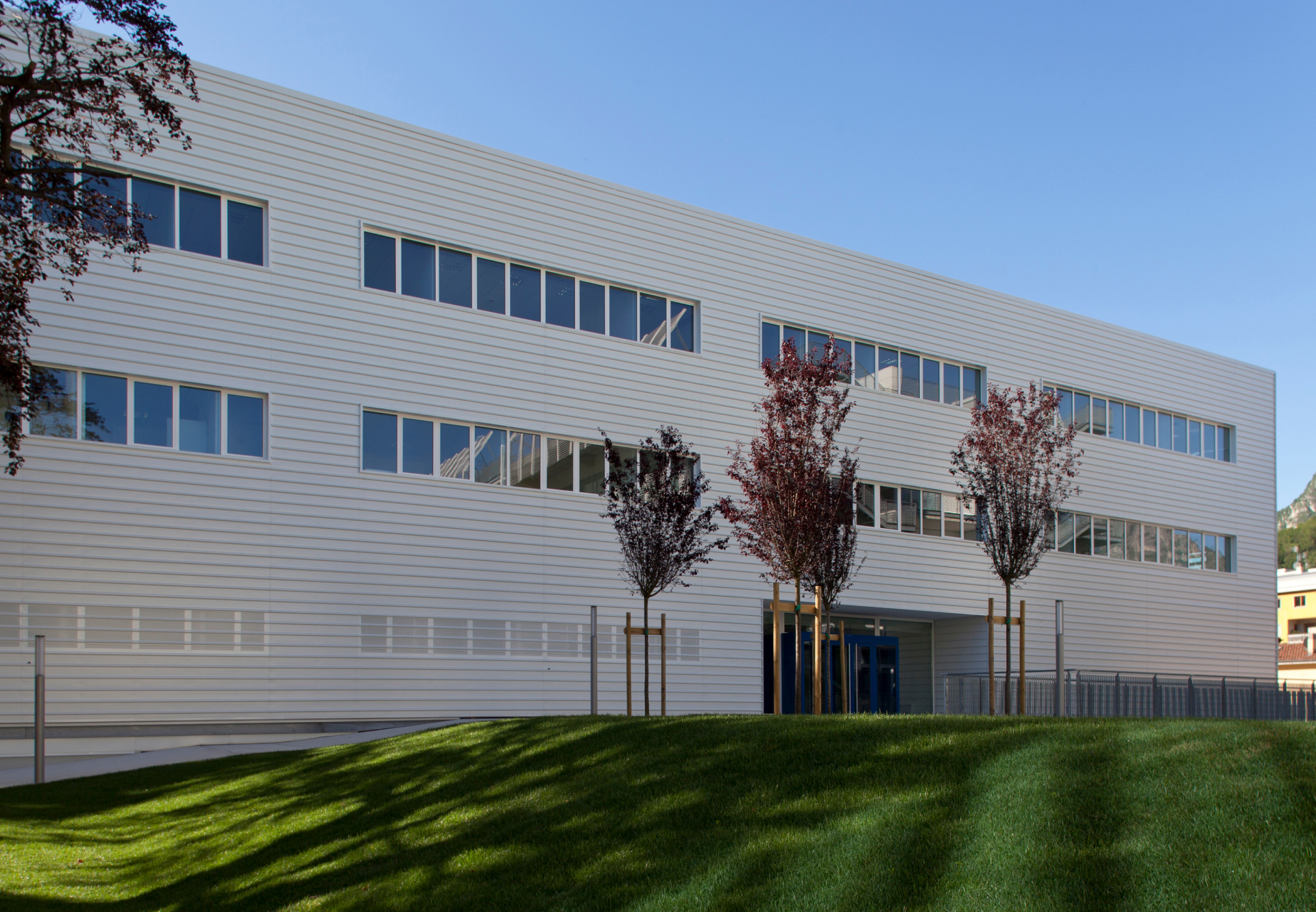
As part of the same development, the new Research Center of the National Research Council (CNR) was constructed, covering an area of 4,600 sqm over four levels. The building hosts the laboratories of seven research institutes and features a high-performance envelope composed of prefabricated panels with metal cladding, internal insulation, and integrated aluminum-framed double glazing.
The flat, walkable roof accommodates HVAC equipment and a photovoltaic array. The internal MEP systems include advanced electrical and mechanical installations, as well as provisions for laboratory-specific networks, such as compressed air and technical gas distribution, together with elevators and freight lifts.